Home Inspection Guide: What to Expect and What to Ask
What a home inspection covers, what it doesn't, how to choose an inspector, red flags to watch for, and how to negotiate repairs.
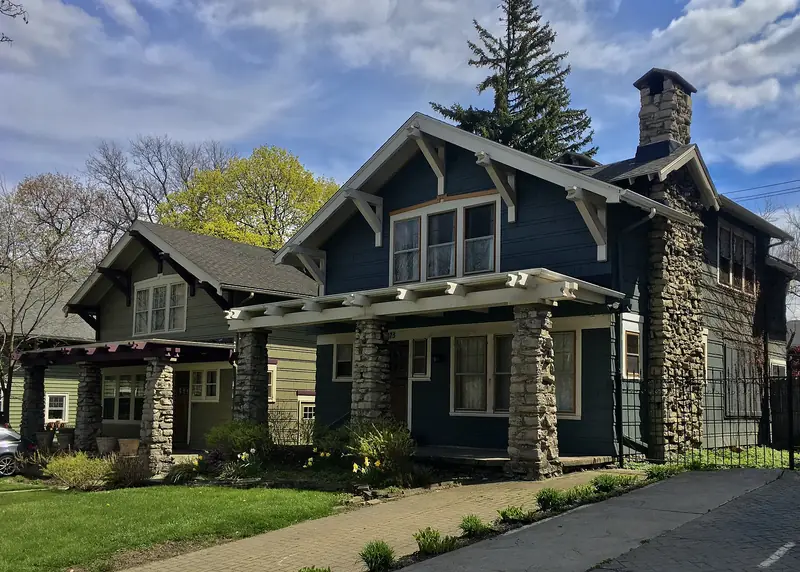
A home inspection is a visual evaluation of a home's condition by a trained professional, typically performed after your offer is accepted and before the inspection contingency expires. It is one of the most valuable steps in buying a home, and it typically costs a few hundred dollars depending on size and location.
What a standard inspection covers
- Roof, gutters, and visible flashing
- Exterior siding, grading, drainage, and decks
- Foundation and visible structure
- Attic, insulation, and ventilation
- Plumbing fixtures, visible piping, and water heater
- Electrical panel, outlets, switches, and visible wiring
- Heating and cooling systems
- Windows, doors, interior walls, ceilings, and floors
- Built-in appliances
What it usually doesn't cover
Inspectors do not open walls or move furniture, and standard inspections often exclude sewer lines, pools, chimneys' interiors, mold testing, radon, pests, and septic systems. Consider specialized inspections where relevant: a sewer scope for older homes with trees near the line, radon testing (the EPA recommends testing all homes), a wood-destroying insect inspection, a chimney inspection, or a structural engineer if the inspector flags foundation concerns.
Choosing an inspector
Ask about licensing (requirements vary by state), certifications such as membership in ASHI or InterNACHI, years of experience, insurance, a sample report, and turnaround time. Your agent can recommend inspectors, but you are free to choose your own.
Attend the inspection
Go if you can, at least for the last hour. Ask questions, learn where the shut-offs are, and ask the inspector to distinguish between major defects, safety issues, and routine maintenance items.
Red flags worth serious attention
- Significant foundation cracks, sloping floors, or doors that won't close
- Active roof leaks or a roof near the end of its life
- Water intrusion in basements or crawlspaces, or evidence of past flooding
- Outdated or unsafe electrical (some older panel brands and ungrounded wiring are known concerns)
- Old or failing HVAC or water heater
- Signs of termites or other wood-destroying insects
Negotiating after the inspection
Focus requests on safety issues and major systems rather than cosmetic flaws. Options include asking the seller to make repairs, asking for a credit at closing, or asking for a price reduction. Credits are often simpler because you control the quality of repairs. Get contractor estimates for big items to support your request. If the problems are too large, your inspection contingency usually lets you walk away and recover your earnest money, provided you act within the deadline.
This article is for general educational purposes and is not financial, legal, or tax advice. See our disclaimer.