How to Sell a Home: A Complete Seller's Guide
Everything you need to know to sell your house: timing, choosing an agent, pricing, preparing and staging, reviewing offers, and closing.
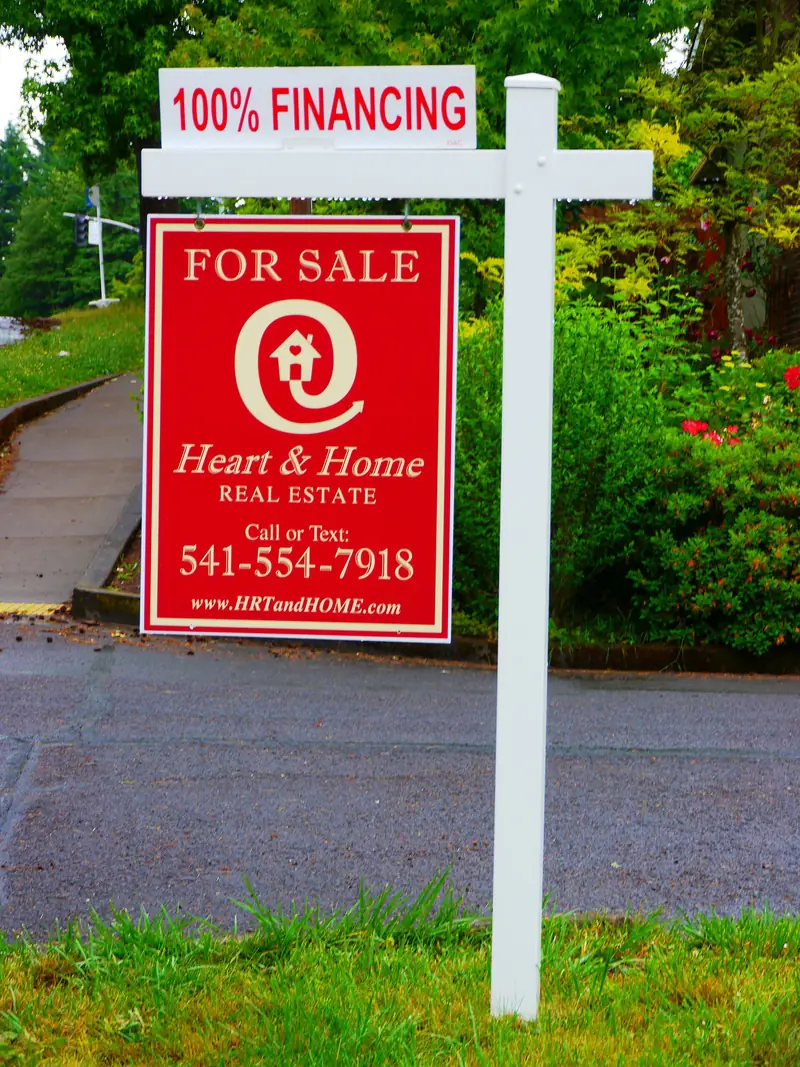
Selling a home well is part strategy, part preparation, and part patience. The difference between a smooth, profitable sale and a stressful one usually comes down to the decisions you make in the weeks before your home ever hits the market. This guide covers each stage of the process so you know what to expect and where you have leverage.
Step 1: Clarify your goals and timing
Start with why you are selling and when you need to be out. Do you need to sell before you can buy? Are you relocating for work on a fixed date? Your timeline affects pricing, whether you consider a rent-back arrangement, and how much preparation you can realistically do. In many U.S. markets, spring brings the most buyer activity, but well-priced homes sell in every season, and fewer competing listings in winter can work in your favor.
Step 2: Understand what you will net
Before listing, estimate your net proceeds: sale price, minus your remaining mortgage balance, minus selling costs. Selling costs commonly include agent commissions (negotiable), title and escrow fees, transfer taxes in some states, prorated property taxes, and any repairs or credits you give the buyer. Many sellers budget roughly 6% to 10% of the price for total costs. If you have owned and lived in the home as your main residence for at least two of the last five years, federal tax law generally lets you exclude up to $250,000 of gain ($500,000 for married couples filing jointly) from capital gains tax; talk to a tax professional about your situation.
Step 3: Choose how to sell
Most sellers hire a listing agent, who prices the home, markets it, handles showings, and negotiates. You can also sell yourself (FSBO), use a flat-fee listing service, or accept a cash offer from an investor or iBuyer, which trades some price for speed and certainty. If you hire an agent, interview at least three. Ask for their recent sales near you, how they would price your home and why, their marketing plan, and how their fees and any offered buyer-agent compensation are structured. See our guide to choosing a real estate agent.
Step 4: Price it right from day one
Pricing is the single most important decision you make. Overpriced homes tend to sit, and a stale listing often ends up selling for less than it would have if priced correctly at the start. Your agent should prepare a comparative market analysis (CMA) using recent nearby sales of similar homes, adjusted for size, condition, and features. Pay attention to pending sales and current competition too. Read more in how to price your home.
Step 5: Prepare the house
Buyers form opinions quickly, and most first see your home online. Focus on high-return preparation: deep cleaning, decluttering, neutral fresh paint where needed, fixing obvious defects (leaky faucets, broken handles, burned-out bulbs), and boosting curb appeal with trimmed landscaping and a clean entry. Some sellers order a pre-listing inspection to find problems before a buyer does. Staging, whether professional or do-it-yourself, helps buyers picture themselves living there. Our home staging tips go deeper.
Step 6: Market the listing
Professional photos are non-negotiable today; many listings also include a floor plan, video walkthrough, or 3D tour. A clear, honest description highlighting updates, location benefits, and unique features helps the right buyers find you. Your agent will enter the home in the local multiple listing service (MLS), which syndicates it to major real estate websites, and may hold open houses.
Step 7: Handle showings
Keep the home show-ready, be flexible with showing times, and leave during showings so buyers feel comfortable. Secure valuables and prescription medications. Ask your agent to gather feedback after showings; if several buyers mention the same objection, it is worth addressing.
Step 8: Review and negotiate offers
The highest price is not always the best offer. Compare the financing type and strength of preapproval, down payment size, contingencies, requested closing date, earnest money amount, and any requested seller concessions. If you receive multiple offers, your agent may ask for "highest and best" offers or counter one buyer. Respond promptly; momentum matters.
Step 9: Get through inspection and appraisal
Expect the buyer's inspection to find something; nearly every home has issues. The buyer may request repairs or a credit. Decide which items are reasonable, especially safety issues and major systems, and negotiate the rest. If the appraisal comes in low, options include reducing the price, the buyer covering the gap in cash, splitting the difference, or challenging the appraisal with better comparable sales.
Step 10: Close and move out
Complete required disclosures honestly; most states require sellers to disclose known material defects, and federal law requires a lead-based paint disclosure for most homes built before 1978. Schedule movers, cancel or transfer utilities, and leave the home broom-clean with keys, garage remotes, and manuals. At closing you will sign the deed and other documents, your mortgage will be paid off from the proceeds, and the remainder is wired to you.
This article is for general educational purposes and is not financial, legal, or tax advice. See our disclaimer.